|
 |
 |
 |
 |
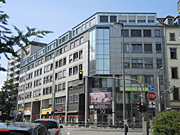
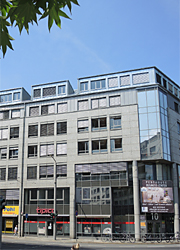
Yenidze Dresden
- Constructed from 1907 to 1909
- Architect: Martin Hammitzsch. Because of the draft being disputed, Hammitzsch has been excluded from the chamber of architecture of the Reich.
- Constructed by: Hugo Zietz. Founded the oriental factory for tobacco and cigarettes Yenidze, named after the Turkish
tobacco-growing area of this kind of tobacco. After having arrived at the top group of Germany's tobacco manufacturers,
he entrusted the architect Martin Hammitzsch with the construction of a tobacco mosque.
- Mosque: On his journeys to the Orient, Hugo Zietz had the following idea: He wanted to build a factory in the style of a mosque,
representing a difference to Dresden’s baroque-style buildings of the Saxon kings. The construction was a brilliant advertising trick,
putting the usual advertisements with enamel plates or collector's pictures in the shade. He soon rose to be one of the industry's leaders.
- Choice of name: Yenidze refers to the most important tobacco growing area for Hugo Zietz in Turkey.
- Architectonic model is an ostentatious tomb in Cairo (Mameluke's tomb of Khair Bak), partly Art Nouveau (Jugendstil), partly Moore style in
mosque form. That bestows an oriental flair to the panorama of the western old part of the town.
Method of construction/architecture:
Germany's first reinforced concrete skeleton construction, glass dome, 600 differently designed windows, chimneys and ventilation
shafts in form of minarets, tiled wall decoration at the west façade – combines art nouveau (Jugendstil) with Moorish elements, the
façade in art nouveau (Jugendstil) style is made of granite, coloured concrete stones, brick and painted rendering with lavish decors
of specially glazed tiles and red and white ribbons made from artificial sandstone.
|
 |
|
|
 |
 |
 |
 |

 |
 |
Interior Yenidze Dresden:
The reformation of the Yenidze does not underly a specific fashion trend. Already the foyer with its columns,
artistic mosaics and stone cutter’s crafts prepare the visitor for the prestigious interior. The foyer is decorated
entirely in red and grey granite, whose modern ornamentation corresponds harmonically with the oriental architecture of the building.
Purpose of the building:
The purpose of the Yenidze was to manufacture Oriental cigarettes. Hugo Ziets, (purveyor to the court of the Saxon king) produced "Salem"
and other brands. At the time, there were 1500 workers at the factory and its working conditions as well as its social system was exemplary.
Women were sitting in long rows and rolled the butts by hand. The light-flooded halls were well ventilated, dust-free and every floor featured
washing facilities. On the upper floor, there were a luxuriously equipped canteen and rest areas with canvas chairs. Whenever the staff wanted,
they could relax on the roof terrace during lunch breaks. The brands manufactured at the time were Mogul, Murad, Fatima or, very prosaic,
"Dreipunkt" (three-point). Until the 1930s, Dresden represented the heart of the tobacco industry in Germany; 40 factories produced more than
60 percent of all tobacco goods. The Yenidze was the largest manufacturing facility for cigarettes in Germany.
|

|
 |
 |
 |
Glass dome:
The dome with a height of 20 metres, has the form of a four-centred arch that allegedly corresponds to the appearance of the caliph
tombs in Cairo. It is colourfully vitrified and illuminated at nighttime. To do so, during the night, two steam machines produce the
electricity for the installed arc lamps. “Salem Aleikum” – May Peace be with you – that used to be, until the war, the salutation
line in fluorescent letters from the roof. The dome was destroyed during an air raid in February 1945. In 1966, the dome had been
vitrified in brown-green, whilst the colourful vitrification resulted from the reconstruction in the 1980s.
- Reemtsma: In 1924, Zietz, at that time 64-years old, sold his magnificent building to the cigarette empire Reemtsma.
- Destruction: During the Dresden bombing raids in February 1945, a third of the building was destroyed and the southern wing suffered a strike by an aircraft bomb.
- After the war, it has been restored provisorily, in 1946 expropriation, from 1947, production of cigarettes for several years, as of 1953,
the VEB (nationally owned enterprise) Tabakkontor, the national tobacco office of the GDR, has been relocated to the Yenidze. The office, then a
monopoly, ensured sufficient supplies in raw material for the production of the legendary brands f6 and Karo.
- 1990s: After the reunification of Germany and the privatization, the trust offered the run-down building for sale. A real estate fund from
Berlin accepted the bid and the architecture office Hentrich-Petschnigg & associates finally rebuilt the tobacco mosque into a business and
office building.
- Renovation: The costs for the renovation mounted to about 75 Million DM (38 Million Euro) and were borne by some 300 different companies.
- Reopening: Since 1997, the Yenidze is used as an office building with a restaurant (360° view of Dresden). The basement vault has temporarily
been used as a discotheque and in the dome regularly features various events.
- Fairy tales in the dome: In the dome, there are regular readings of fairy tales as well as other events. The dome can also be rented
for the realization of own events.
Designed by experts about 100 years ago,
today the distinctive domed structure is one of the city’s landmarks.
|
 |
|
|
 |
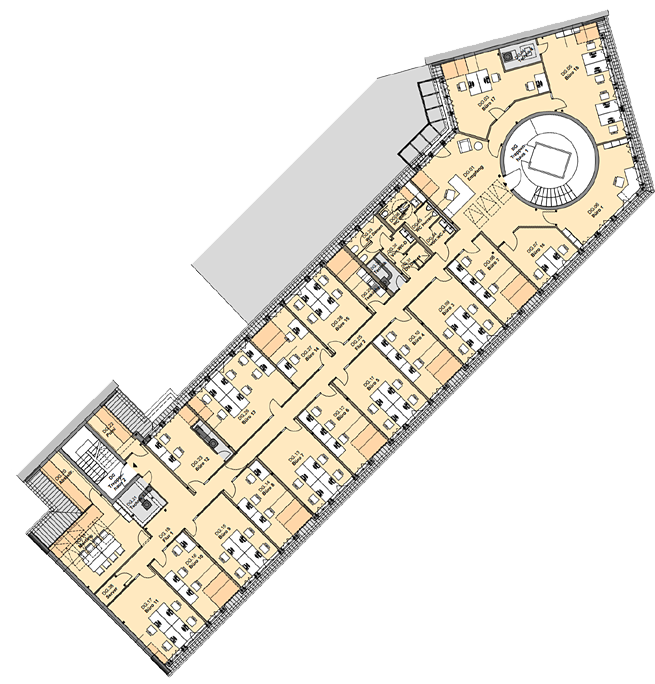
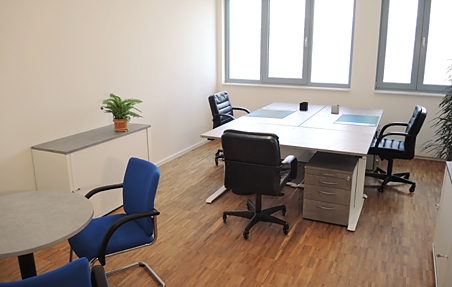
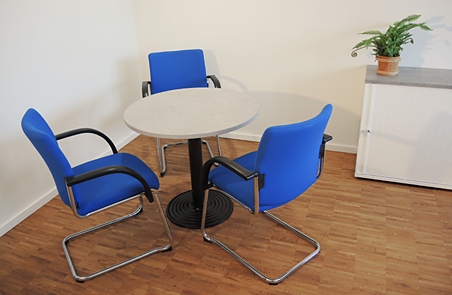
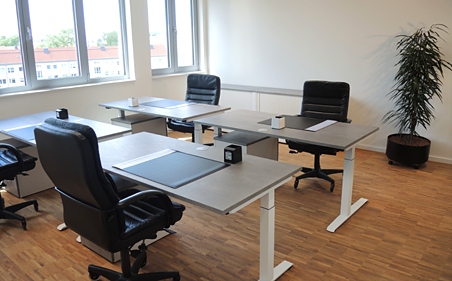
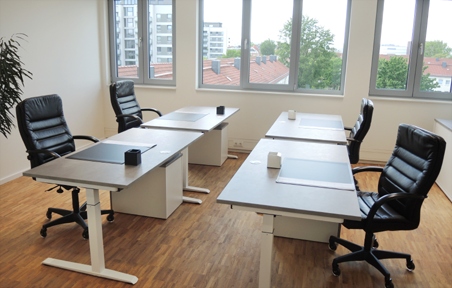
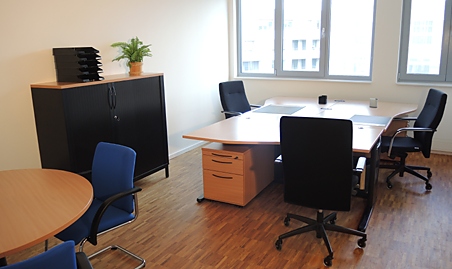
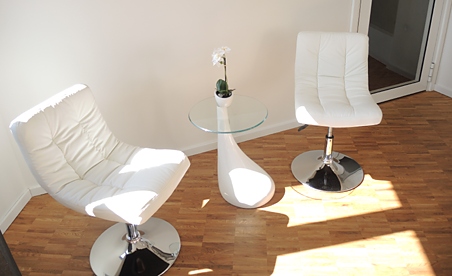
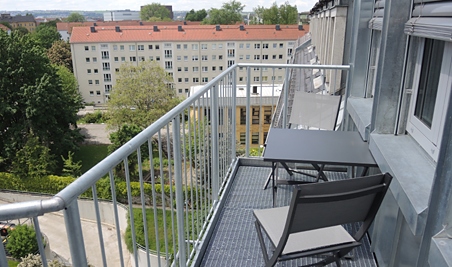
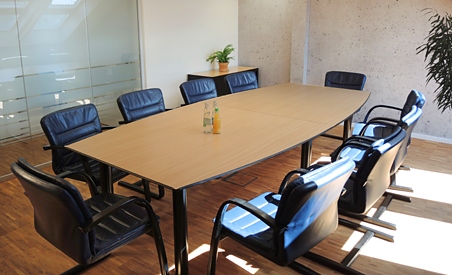
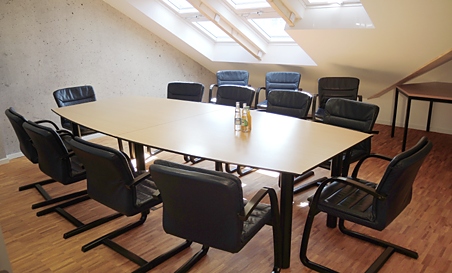
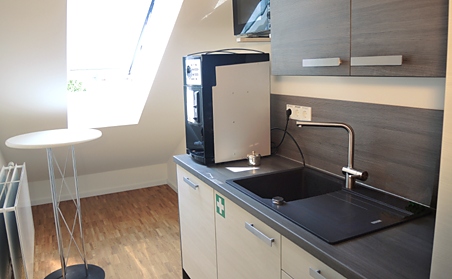
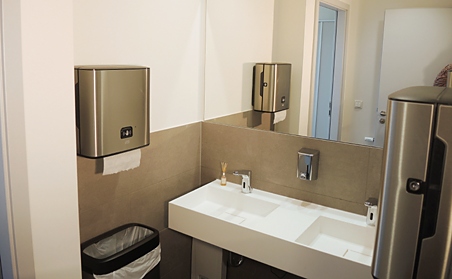
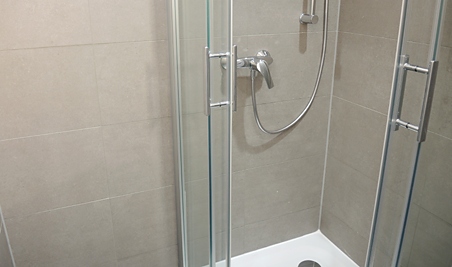
Our rooms in the Yenidze:
|
 |
 |
 |

3 dimensional model, kindly provided by DELMIA GmbH – the master practitioners for realizing DIGITAL FACTORIES. |
 |
 |
 |
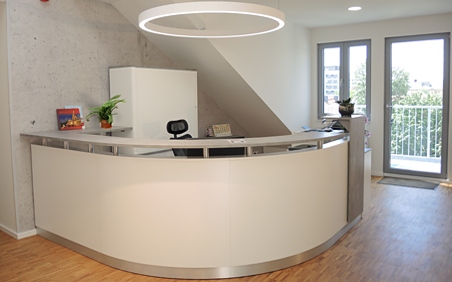
(1) Reception desk
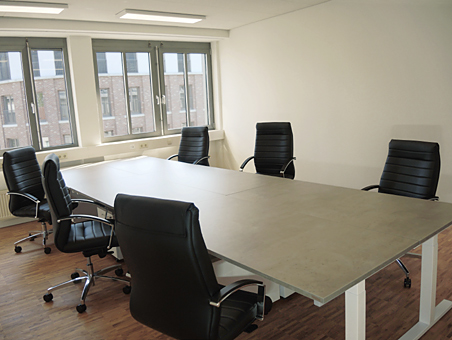
(2) Conference room
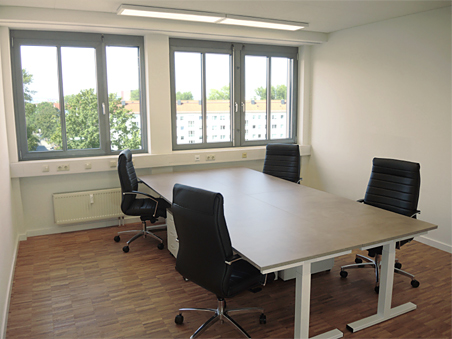
(3) Daytime office
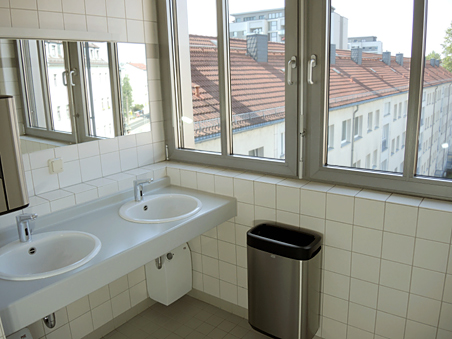
(4) Toilette
(5) archive
(6) kitchen
(7) Equipment storage room
(8) Utility room
|
(A) Entrance/Exit
(B) Emergency Exit
(C) Dome Elevator
(D) Elevators
(E) lounge
|
Advice: Please retain the data file before playing. 3D XML Player only supports Windows XP
|
|
 |
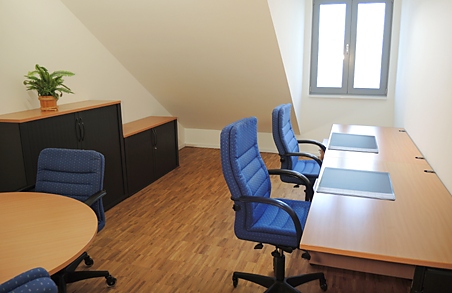
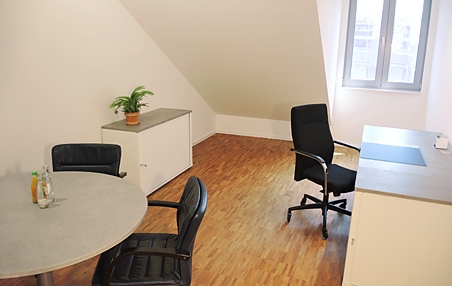
Interior views
|
|
|